What Affects Indoor Air Quality in Utah Homes?
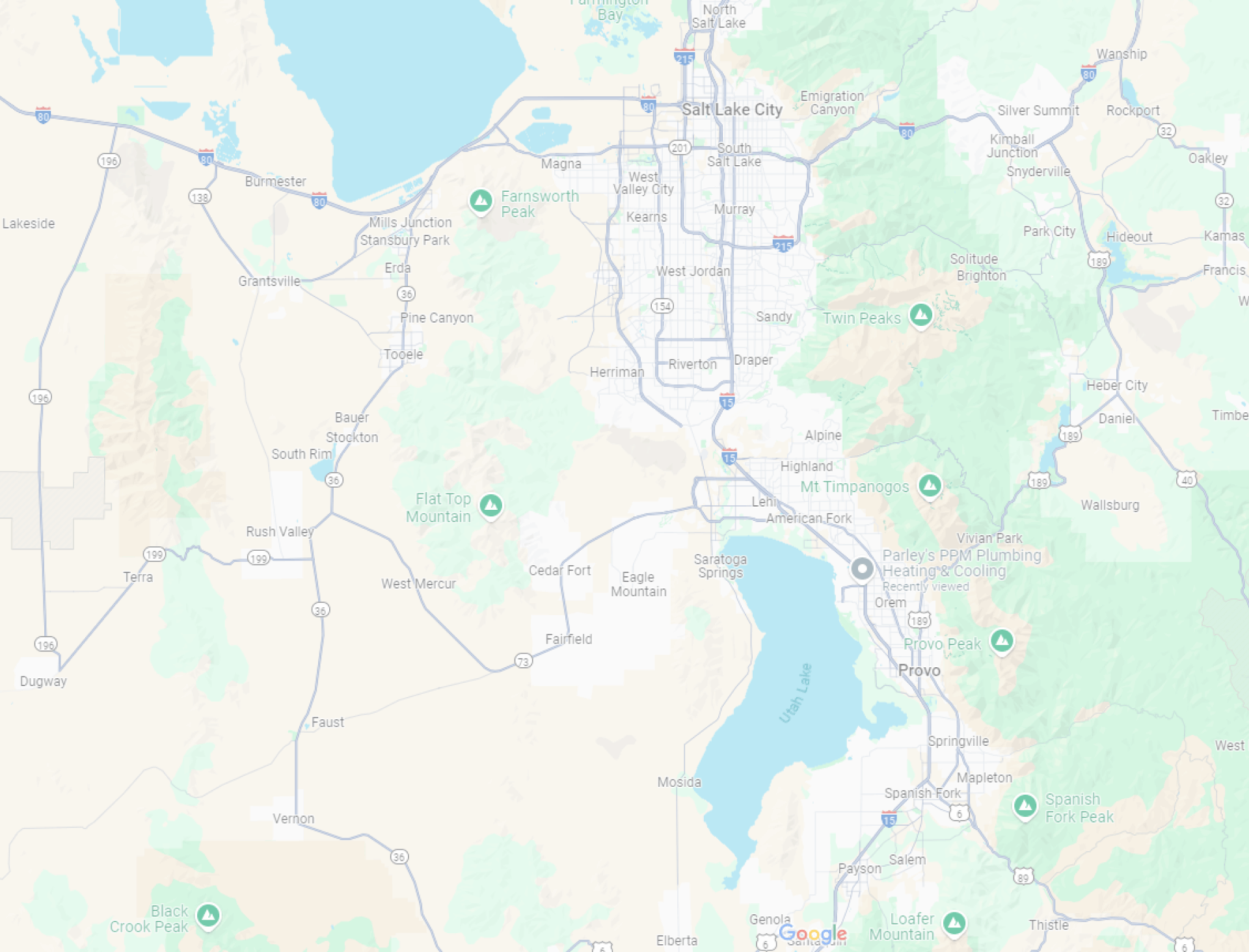
Indoor air quality is shaped by what comes in from outside, what the house itself generates, and how well the HVAC system filters and circulates air. In Utah County, that includes seasonal outdoor air quality swings, dry winter humidity, dust from the surrounding high-desert climate, and the filtration and ventilation the home's HVAC system provides. A home's air quality is rarely one single cause — it is usually a combination of these factors interacting with the specific house.
Utah Winter Inversions
Winter inversions trap cooler, denser air and pollutants near the valley floor for stretches of days, temporarily reducing outdoor air quality across Utah County. During inversion periods, a home's ventilation and filtration become more relevant, since a well-sealed house with good filtration can meaningfully limit how much outdoor particulate makes it inside compared to a house with leaky ducts and a low-grade filter.
Dust and Particles
Dust accumulation faster than seems reasonable often points to filtration that is not fine enough for the household, leaky ductwork pulling in unfiltered air from attics or crawlspaces, or a filter that is not being changed often enough for the system's runtime. Upgrading to a higher-rated media filter, sized correctly for the system's airflow, is usually the first and most effective step.
Dry Winter Air
Utah winters are dry, and heating a home further reduces indoor relative humidity, which shows up as static shocks, dry skin, cracking woodwork and general discomfort. A whole-home humidifier installed on the HVAC system addresses this at the source by adding measured humidity to the air as it circulates, rather than relying on portable units that only treat one room at a time.
HVAC Filtration
Media filtration installed at the air handler captures a broader range of particles than a standard one-inch filter, without the airflow restriction that an overly restrictive filter can cause in a system not designed for it. The right filtration level depends on the system's design and the household's specific concerns, which is worth discussing before upgrading filter type on your own.
Whole-Home Humidifiers
A whole-home humidifier mounts to the ductwork and adds moisture to the air as the HVAC system circulates it, maintaining a more consistent humidity level through the house than portable units can manage. This is one of the more direct fixes for the dry, static-prone winter air common across Utah County homes.
Ventilation and Duct Leakage
Leaky ductwork running through an attic, crawlspace or garage can pull in unconditioned, unfiltered air and pressure-imbalance the house, both of which work against whatever filtration or humidification equipment is installed. Sealing and balancing ductwork is sometimes the more impactful fix even when the original concern was framed around filtration or humidity.
Which Solution Makes Sense for My Home?
The right combination of filtration, humidification and duct sealing depends on the specific complaint, the age and condition of the ductwork, and the HVAC system's capacity to support added equipment. A technician can walk through what is actually driving your air quality concern before recommending equipment, rather than defaulting to the most comprehensive package available.
Start with the specific complaint — dust, dryness or odor — rather than buying a bundle of equipment at once. Each of those problems usually has one or two primary fixes that address it directly.